
Blog
How Video Games Hook Your Brain and Blur Your Boundaries

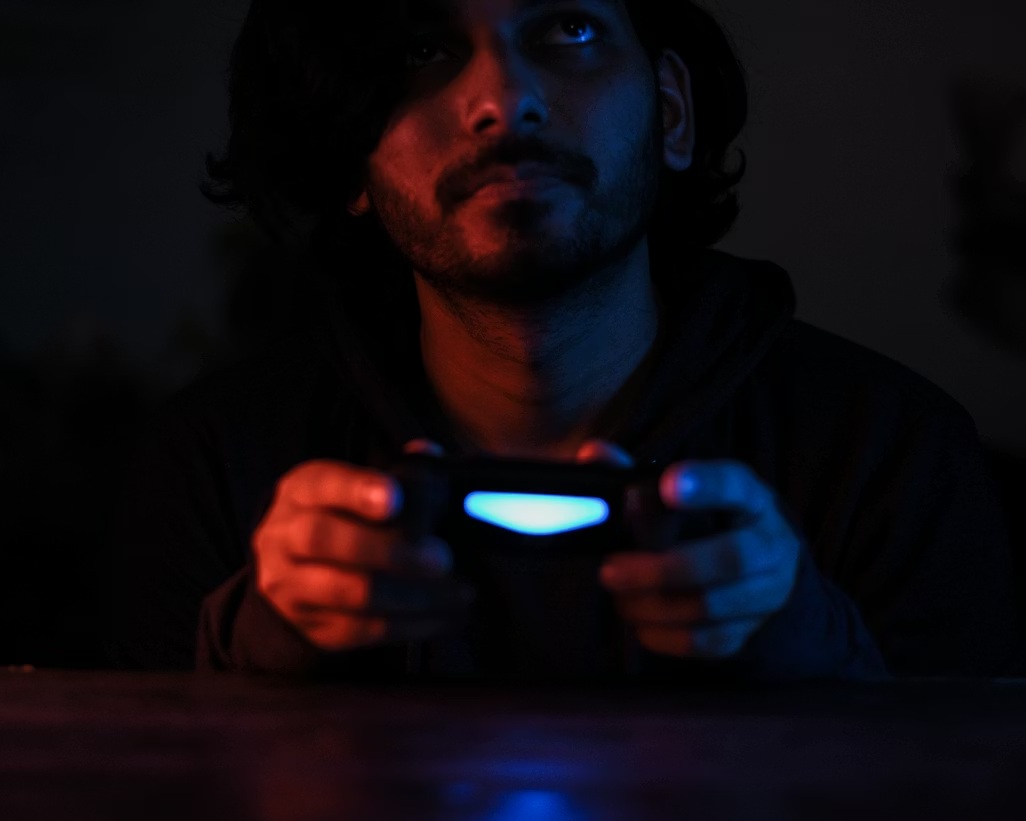
Video games can be a great escape, a way to unwind, or even a place to socialize. But there’s a growing conversation about how some games use psychological techniques that keep players hooked far longer than they intend. These mechanics don’t just take hours. They can drain emotional energy, disrupt sleep, and push people toward spending habits they later regret.
Research also shows that some players, especially teens with existing mental health challenges, are more vulnerable. For them, games can shift from entertainment into a coping tool that eventually spirals into dependency.
When companies weave reward-heavy design with aggressive monetization, the balance tips even further. Understanding how these systems work is the first step toward taking back control.
How Video Games Create Psychological Loops That Keep You Playing
Many modern games are built around reward cycles that tap into deep motivational wiring. Loot boxes, rare item drops, surprise bonuses, and streak rewards create what psychologists call variable reinforcement, the exact mechanism that makes gambling addictive.
You never know when the next reward will hit, so you keep going. Studies comparing gaming addiction with substance use disorders show overlapping brain patterns, including dopamine spikes and craving cycles.
At the same time, games offer structure, purpose, and instant feedback in ways life often doesn’t. That’s why they feel so satisfying. But when those rewards dominate your emotional landscape, real-world tasks start to feel dull, slow, and unrewarding. That shift is where trouble begins.
Why Mental Health Issues Make Some Players More Vulnerable
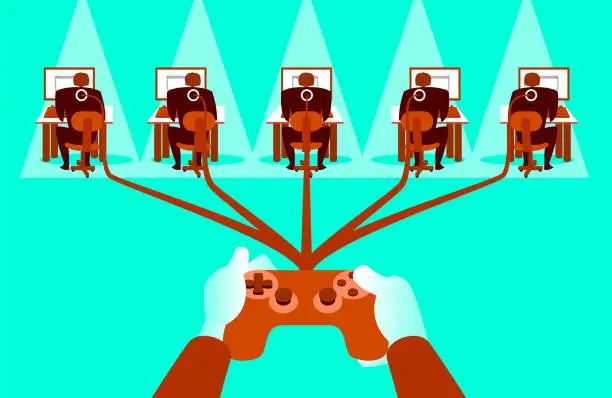
Not everyone reacts to these psychological hooks the same way. Research from the University of California found that teens who develop problematic gaming patterns often have preexisting mental health challenges. These include anxiety, depression, or social isolation. For them, gaming becomes a refuge rather than a hobby.
This escape feels helpful at first. You log in because it’s predictable, comforting, and easier than dealing with stressors in the real world. Over time, though, coping behavior turns into avoidance. Daily routines get disrupted, sleep patterns slip, responsibilities pile up, and isolation deepens.
The game becomes the only place where things feel manageable, which makes it even harder to step away. That cycle can worsen the very issues players were trying to numb.
Hidden Costs of Microtransactions and Spending Traps
Hooking techniques don’t stop at attention; they reach straight into your wallet. With free-to-play games and widespread gacha systems, microtransactions have become a central part of the gaming economy. The problem is the way these purchases are presented through limited-time deals, randomized rewards, and the fear of falling behind friends or competitors.
A major survey in Japan revealed how serious this can become. Nearly 19 percent of people in their 20s said they had spent so much on in-game items that it created financial strain. Some even struggled to cover essential expenses, such as rent or food. Many later regretted these decisions.
When a digital item feels urgent, exciting, or socially important, rational thinking starts to fade. A series of small purchases can then grow into something overwhelming.
Why Video Game Companies Are Facing Addiction-Related Lawsuits
Rising concern about these mechanics has already moved into the legal arena through the video game addiction lawsuit. Several cases now argue that major gaming companies behind titles like Fortnite and Minecraft rely on design strategies that push players toward addictive behavior.
Drugwatch notes that microtransactions sit at the center of these claims. The financial payoff drives companies to keep players engaged and spending longer. One case involving a minor described spending more than 3,000 dollars on in-game purchases, highlighting how quickly costs can spiral.
The issue grew louder when the New York Times reported that Epic Games agreed to refund up to $245 million. The Federal Trade Commission said the company tricked some users into making purchases they never intended to make.
According to TorHoerman Law, these cases question whether companies are creating environments that encourage compulsive use and overspending. They also raise a larger ethical debate about where entertainment ends and exploitation begins.
How to Recognize When Gaming Is Taking More Than It Gives
Most players never develop addiction, but recognizing early signs helps keep things grounded. Warning signals often show up in everyday habits. You might notice:
- Skipping or delaying sleep to keep playing
- Pulling away from real-world relationships
- Hiding or downplaying in-game spending
- Feeling irritated or restless when not gaming
- Losing interest in hobbies or responsibilities that once mattered
If gaming becomes the main way you cope with stress or avoid difficult emotions, it’s a sign to pause and reassess.
Professionals usually address gaming addiction with therapies like CBT, which help people identify unhelpful patterns and develop healthier coping tools. Parents can support their children by staying curious and starting conversations rather than relying only on limits.
The goal isn’t to eliminate gaming from someone’s life. It’s to rebuild balance, restore routines, and understand what’s driving the need to escape into digital worlds so intensely.
FAQs
| Question | Answer |
|---|---|
| What are the most addictive video games? | Games with constant rewards, social competition, and endless progression—such as Fortnite, Minecraft, Roblox, Call of Duty, and many mobile gacha titles—tend to be the most addictive. Their fast feedback loops, frequent updates, and microtransactions keep players engaged for long periods. |
| What is the dopamine theory of gaming addiction? | The dopamine theory proposes that video games trigger repeated bursts of dopamine through rewards, achievements, and unexpected wins. These quick hits make the brain crave more, increasing the urge to keep playing and making it harder to stop over time. |
| How many hours of gaming is too much? | There’s no universal limit, but gaming becomes “too much” when it disrupts sleep, work, school, or relationships. Many experts consider more than 2–3 hours a day potentially risky. Warning signs include irritability when stopping and difficulty controlling playtime. |
| Are video games inherently harmful? | No. Games can be creative, social, and mentally stimulating. The key is understanding how game design influences behavior and setting healthy boundaries around time, spending, and emotional triggers. Playing intentionally—rather than compulsively—helps keep gaming positive and meaningful. |
Disclaimer
The information in this article is for educational and general informational purposes only. It is not a substitute for professional medical, psychological, or legal advice. While research on gaming behaviors, monetization systems, and mental-health impacts is referenced, individual experiences vary widely.
If you or someone you know is struggling with compulsive gaming, emotional distress, or financial harm related to gaming, consider seeking guidance from a qualified mental-health professional or financial advisor. References to ongoing lawsuits, company practices, or research findings are based on publicly available information and should not be interpreted as legal conclusions or definitive diagnoses.
Nothing in this content is intended to stigmatize gaming or gamers. Video games can be a healthy and enjoyable hobby for most people. The purpose of this article is to raise awareness, not to provide clinical assessment or legal recommendations.