
Blog
How Intelligent Systems Are Reshaping Online Retail Behind the Scenes

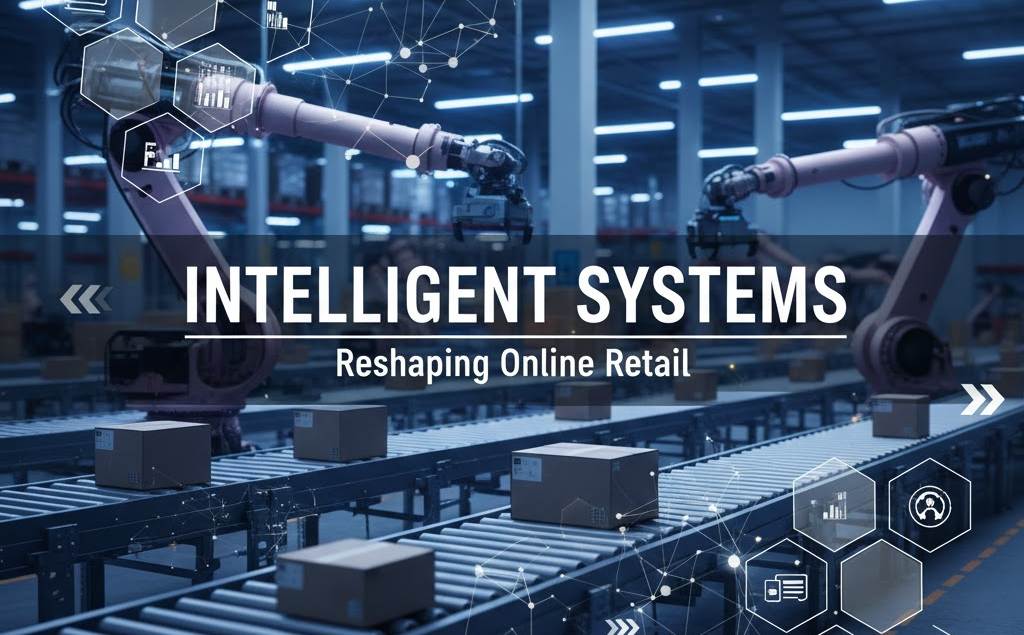
Online retail has grown far beyond simple product listings and checkout pages. Today, successful ecommerce businesses operate as complex digital ecosystems where data, logistics, and customer experience must work in sync. Artificial intelligence has become the connecting layer that makes this possible, quietly optimizing thousands of decisions that once required manual effort.
Why Ecommerce Needs Smarter Systems
Modern ecommerce operations generate enormous volumes of data. Every click, search, purchase, and return adds to an expanding stream of signals. Interpreting this data in real time is no longer realistic for human teams alone.
This challenge has pushed retailers to adopt intelligent systems capable of learning from behavior patterns and acting on insights instantly. Instead of reacting to trends after they appear, businesses can anticipate demand, adjust strategies, and personalize experiences as they happen.
Moving Beyond Basic Automation
Early automation focused on repetitive tasks such as order confirmations or inventory alerts. While useful, these systems lacked context and adaptability. Today’s intelligent solutions are designed to understand relationships between variables rather than execute isolated rules.
A cognitive AI platform enables retailers to analyze customer intent, predict outcomes, and recommend actions across the entire commerce journey. It connects data from marketing, sales, logistics, and customer support to create a unified operational view.
Core Capabilities That Drive Retail Intelligence
Advanced cognitive systems typically provide:
- Real-time analysis of customer behavior
- Demand forecasting based on historical and seasonal patterns
- Adaptive pricing and promotion recommendations
- Insight generation that supports strategic planning
These capabilities allow ecommerce teams to operate with greater precision while reducing reliance on manual intervention.
Automation as a Growth Engine in Online Retail
As competition intensifies, efficiency becomes a key differentiator. This is where ecommerce automation plays a critical role. By streamlining operational processes, retailers can scale without increasing costs in proportion.
Areas Where Automation Delivers Immediate Impact
Automation is commonly applied to:
- Inventory management and replenishment
- Order processing and fulfillment coordination
- Customer communication across email and messaging channels
- Product catalog updates and pricing adjustments
Retailers that implement automation across these areas often report fulfillment speed improvements of 20 to 30 percent, along with fewer stockouts and overstocks.
Personalization at Scale
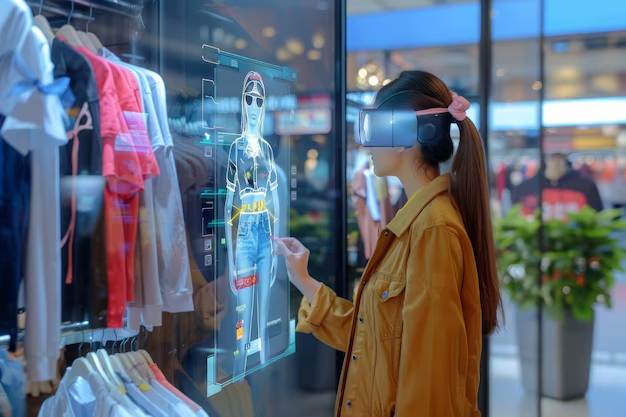
One of the most visible benefits of intelligent systems in ecommerce is personalization. Shoppers expect relevant recommendations, timely offers, and frictionless experiences. Delivering this consistently requires more than static rules.
By analyzing browsing patterns, purchase history, and contextual signals, AI-driven systems can dynamically tailor product recommendations and content. Studies show that personalized experiences can account for up to one-third of total ecommerce revenue for mature retailers.
Operational Visibility and Smarter Decisions
Beyond customer-facing benefits, intelligent systems improve internal decision-making. Unified dashboards powered by AI insights help teams understand what is working, what is underperforming, and why.
Examples of Strategic Insights Enabled by AI
- Identifying products likely to surge in demand
- Detecting fulfillment bottlenecks before delays occur
- Understanding which promotions drive long-term value, not just short-term sales
This level of visibility allows leaders to make informed decisions faster and with greater confidence.
Challenges to Address Along the Way
Despite the advantages, intelligent ecommerce systems require thoughtful implementation. Common obstacles include:
- Fragmented data across multiple platforms
- Integration complexity with legacy systems
- The need for ongoing model training and evaluation
Retailers that invest in data quality and cross-teamcross-team alignment are better positioned to realize the full value of AI initiatives.
Future of Intelligent Ecommerce Operations

The next stage of ecommerce evolution will be defined by systems that act as collaborators rather than tools. Intelligent platforms will not only execute tasks, but also suggest strategies, simulate outcomes, and continuously learn from results.
As consumer expectations continue to rise, the ability to operate intelligently at scale will separate leading retailers from the rest. AI is no longer an optional enhancement. It is becoming the foundation that supports sustainable growth, operational resilience, and meaningful customer experiences in digital commerce.
Conclusion
Ecommerce is no longer defined by who has the most extensive catalog or the most aggressive marketing. It is determined by who can operate intelligently at scale. As digital retail grows more complex, the systems running behind the scenes have become just as important as the experiences customers see on the surface.
Intelligent platforms are changing how online retailers think, decide, and act. They connect data across the organization, anticipate outcomes before they occur, and continuously refine performance without constant human intervention. This shift moves ecommerce from reactive execution to adaptive orchestration.
The retailers that will lead the next phase of digital commerce are not those experimenting with isolated AI features, but those embedding intelligence into the core of their operations. In a landscape where expectations rise faster than margins, intelligence is no longer a competitive advantage; it is the operating requirement for sustainable growth.
AI is not replacing human judgment in ecommerce. It is elevating it. By handling complexity at machine speed, intelligent systems give teams the clarity and confidence to focus on strategy, innovation, and long-term value creation. That is where the future of online retail is being built quietly, systematically, and intelligently behind the scenes.