
Blog
Where to Find the Best Blueprints in Arc Raiders And Which Ones Are Worth the Risk
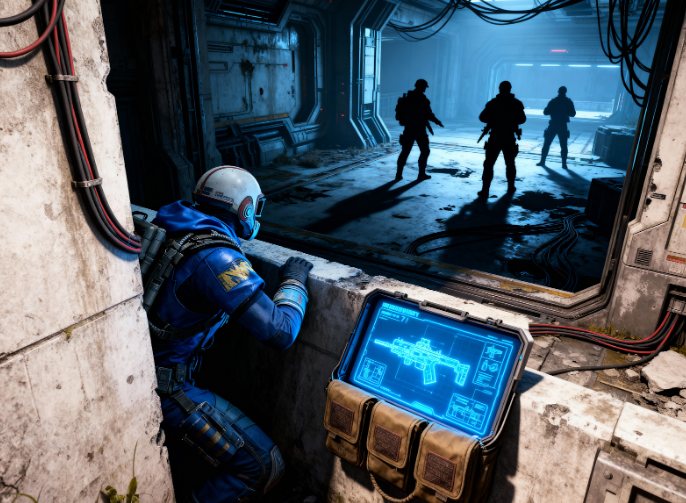
Blueprints sit at the core of Arc Raiders. Weapons come and go. Materials get replaced. A blueprint feels different. It represents future runs, future gear, and future confidence. Losing one on extraction hurts in a way that a busted rifle never quite manages.
This guide is about finding blueprints effectively. Arc Raiders is still evolving through testing, and has been careful not to lock down public drop tables. That means good decisions come from pattern recognition. If you prefer to skip some of that early uncertainty and focus on building loadouts and playstyles, buying Arc Raiders blueprints for sale is a practical shortcut.
What follows is grounded in official playtest behavior and broad community consensus from extraction shooters with similar design DNA. When the data is fuzzy, that fuzziness is part of the decision making.
How Blueprints Actually Drop in Arc Raiders
As of the latest public tests, blueprints do not come from a single dedicated system. There is no crafting vendor with a predictable menu. Blueprints appear as high value loot tied to risk heavy activities.
Community testing agrees on a few fundamentals.
Blueprints are more likely to appear when:
- The activity already carries elevated danger
- The reward pool is small but meaningful
- The game clearly signals “this might be worth it”
They are not common filler drops. If a run feels safe, fast, and generous, blueprint odds are usually low.
High Risk Zones and Why They Matter
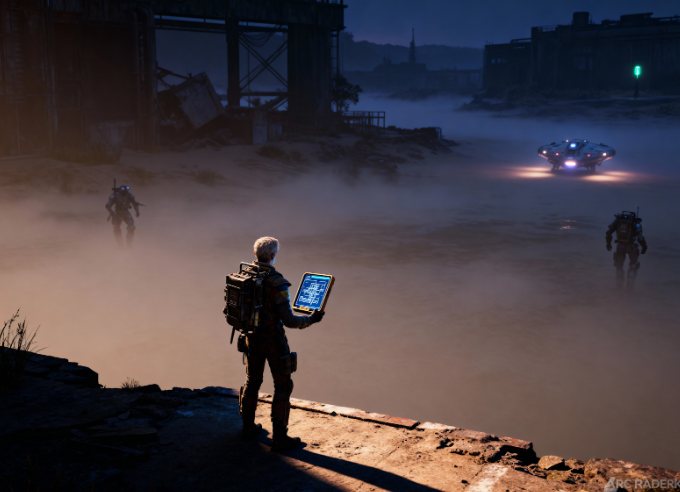
Arc Raiders maps are not flat difficulty curves. Some areas quietly concentrate threat density, line-of-sight exposure, and enemy escalation. These zones tend to be where blueprint sightings cluster.
What makes a zone blueprint friendly is not just enemy strength. It is how hard it is to disengage once things go wrong.
High risk zones usually share these traits:
- Limited cover or long sightlines
- Enemy reinforcements that chain instead of pause
- Environmental noise that attracts attention
- Extraction routes that require commitment
The blueprint logic here is simple. Rewards players who stay longer than comfort suggests.
When to farm these zones:
- When loadout replacement cost is low
- When extraction routes are already scouted
- When stamina and ammo reserves are healthy
When to leave:
- When two unknown threats stack at once
- When extraction timing drifts too far
- When inventory value exceeds run plan
Blueprints are never worth improvising on mid-run.
World Events and Objective Driven Risk
Dynamic events are one of the clearest blueprint signals in Arc Raiders so far. They are loud, visible, and invite conflict. They also compress players and enemies into predictable spaces.
Community consensus ranks events among the most blueprint-positive activities, with a major caveat. Events attract everyone.
Why events are good blueprint candidates:
- Elevated enemy tiers
- Fixed locations with curated loot pools
- Clear risk reward signaling
Why they are dangerous:
- Player convergence
- Delayed extractions
- Third party pressure after completion
A practical rule many veteran players follow is simple. Enter events early or not at all.
Late event cleanup is where blueprint losses pile up. The activity is done, the noise lingers, and opportunistic players sweep in while inventories are full.
If the event timer is already halfway gone when spotted, walking away is often the smarter long term call.
Elite Enemies and the Illusion of Control
Elite enemies feel like honest blueprint targets. One enemy. One fight. One reward. That perception is misleading.
Elites are dangerous not because of raw damage, but because of what they attract. Long fights create noise. Noise creates pressure. Pressure multiplies mistakes.
Blueprints have been reported from elite kills during tests, but with no public drop rates, the correct framing is probability management, not farming.
Elite hunting works best when:
- The area is already cleared
- Escape routes are confirmed
- Time to kill is predictable
It breaks down when:
- Ammo drains faster than expected
- Adds join mid fight
- The fight drifts toward open terrain
An elite kill that costs half your resources is rarely worth the blueprint gamble that follows.
Static High Value Locations
Certain map locations quietly signal higher stakes. Not because the game tells you, but because everything about them feels uncomfortable.
Players consistently identify blueprint finds in places that:
- Sit far from spawn flow
- Funnel movement through chokepoints
- Punish hesitation with exposure
These locations reward preparation, not bravery.
If a location requires committing to a long exit path after looting, that blueprint decision must be made before entry. Looting first and planning later is how most blueprint losses happen.
A useful mental checklist before entering:
- Can I extract within two minutes if needed
- Do I know where I will be exposed
- Is my inventory already valuable
If any answer is unclear, the blueprint is already too expensive.
When Walking Away Is the Right Play
The hardest blueprint skill in Arc Raiders is leaving.
Extraction shooters punish emotional momentum. That feeling of “one more container” is exactly when blueprint losses spike.
Veteran players tend to operate with soft caps. Not hard rules, but guidelines.
Common walk away triggers:
- One unexpected high tier enemy
- Ammo below a safe reserve
- Inventory value exceeding loadout cost by a large margin
- Time pressure creeping in
Blueprints are about future runs. Dying with one resets momentum instead of advancing it.
Walking away preserves agency.
Blueprint Value Is Not Equal
Not every blueprint deserves the same risk tolerance. Some unlock quality of life progression. Others enable playstyles. Some simply look tempting without changing outcomes.
Because Arc Raiders blueprint details are still partially opaque, the safest evaluation method is utility over novelty.
Higher value blueprints tend to:
- Reduce dependency on rare materials
- Improve survivability consistency
- Enable flexible loadouts
Lower value blueprints tend to:
- Offer narrow use cases
- Require heavy investment to feel good
- Lock players into risky play patterns
If a blueprint requires repeated dangerous runs just to justify itself, it may already be a trap.
Conclusion
If there is a real edge in blueprint hunting, it is learning when to disengage while things still feel promising. That instinct keeps progress moving forward instead of resetting it. In Arc Raiders, the smartest blueprint play often ends with extraction, not celebration.